
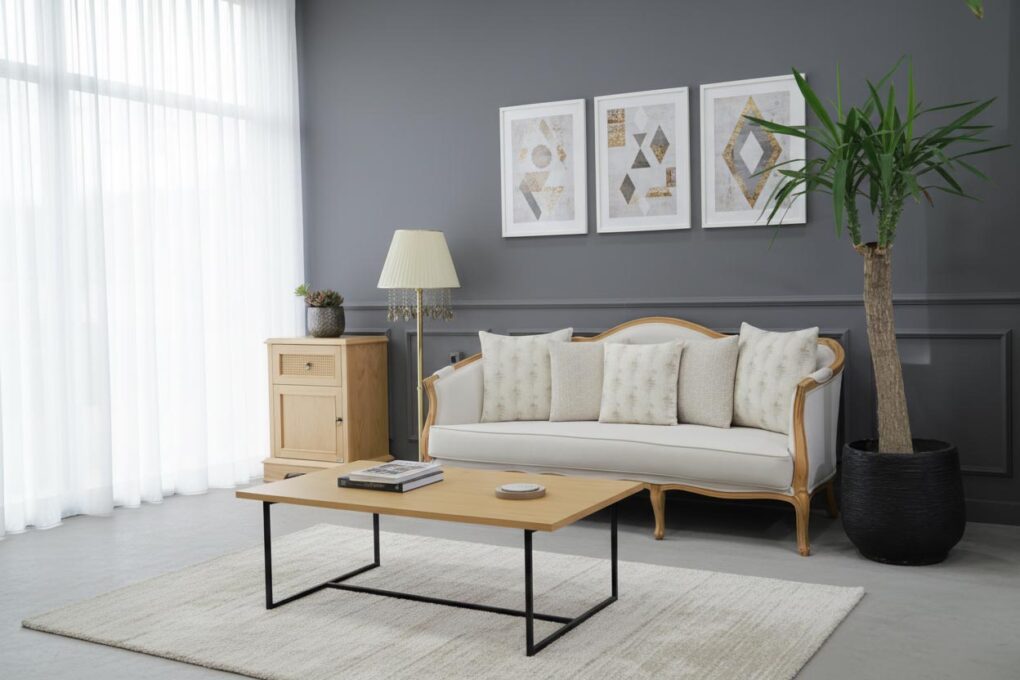
Understanding French Sofa Dimensions and Proportions
Choosing the right French sofa starts with understanding its dimensions and proportions. Unlike modern minimalist sofas, a French style sofa is designed with elegance, curves, and decorative balance in mind. This means size is not just about length and width, but also about visual weight, height, and harmony with the surrounding space.
French sofas typically have slightly higher backs, carved wooden frames, curved arms, and exposed legs. These elements affect how large the sofa appears, even if the actual measurements are moderate. For example, a three-seater French sofa with ornate carvings may visually feel larger than a modern sofa of the same length due to its detailing.
Standard dimensions usually range from:
- Single French sofa (armchair): 80–100 cm width
- Two-seater French sofa: 140–170 cm width
- Three-seater French sofa: 180–220 cm width
Depth is another critical factor. French sofas often have a shallower seating depth compared to contemporary sofas, which helps maintain a formal sitting posture while saving space. This makes them ideal for both classic and semi-modern interiors.
Proportion is especially important. A French sofa should never overpower the room. In smaller living rooms, bulky frames and excessive carvings can make the space feel cramped. In larger rooms, however, undersized sofas can look lost and insignificant.
Height also plays a key role. Taller legs and raised frames create airflow beneath the sofa, giving the room a lighter, more spacious feel. This is one reason why French sofas work surprisingly well in apartments when chosen correctly.
When planning, always measure:
- Wall-to-wall distance
- Distance from coffee table
- Walkways (minimum 80–90 cm clearance)
Understanding proportions ensures your sofa becomes a focal point rather than a space-consuming mistake.
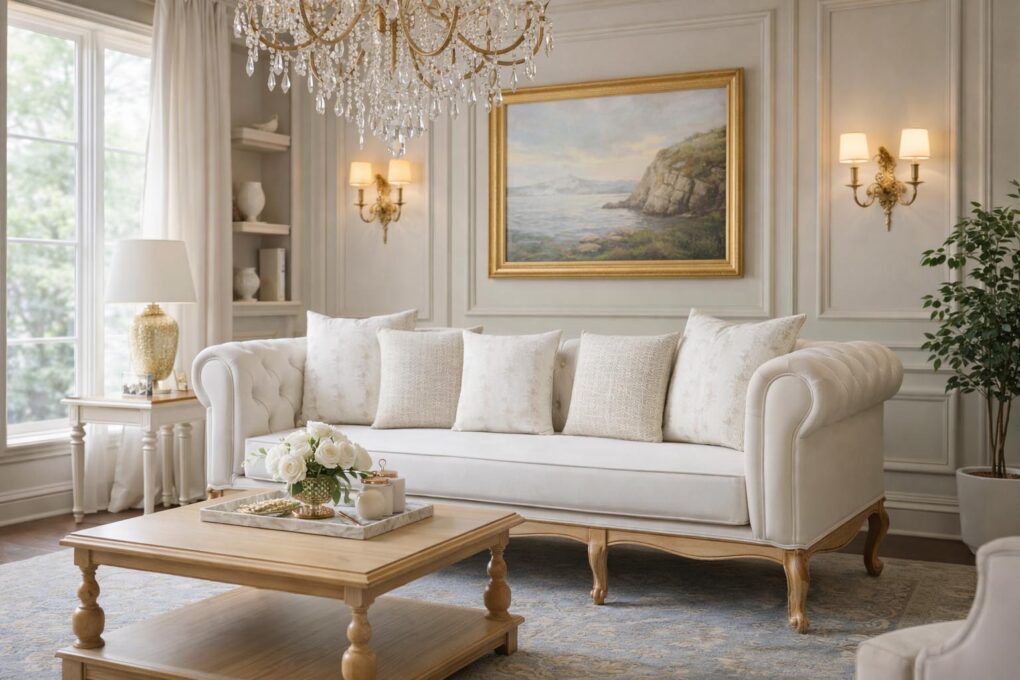
Choosing the Right French Sofa Size for Small Living Rooms
Selecting a French sofa for a small living room requires precision, not compromise. Many people believe French sofas are only suitable for large spaces, but with the right size and design, they can elevate even compact interiors.
The first rule is scale. Oversized sofas with thick frames and heavy ornamentation should be avoided. Instead, opt for slim-framed French sofas with delicate carvings and elevated legs. These features reduce visual heaviness and create the illusion of openness.
A two-seater French sofa or a compact three-seater (under 200 cm) is often ideal for small living rooms. Pairing a main sofa with a single French armchair instead of a full set helps maintain balance and functionality.
Leg height is critical. Sofas with exposed wooden legs allow light to pass underneath, making the room feel larger. Avoid French sofas that sit directly on the floor, as they visually block space.
Color also impacts perceived size. Light tones such as cream, beige, soft gray, or pastel hues reflect light and enhance openness. Dark fabrics may look luxurious but can visually shrink small rooms if overused.
Placement matters just as much as size. Positioning the sofa against a wall or near a window maximizes usable space. Avoid pushing it into the center unless the layout truly allows it.
Multifunctional layouts are smart solutions. A French sofa with slimmer arms provides more seating space without increasing width. Avoid overly deep cushions, which consume floor area unnecessarily.
In small living rooms, the right French sofa should feel elegant, breathable, and proportional—not dominant.
Best French Sofa Layouts for Large Living Spaces
Large living rooms offer the perfect canvas to showcase the elegance of a French sofa. In spacious interiors, layout becomes more important than size alone. The goal is to create harmony, flow, and defined zones.
One popular approach is the classic symmetrical layout. A three-seater French sofa paired with two matching armchairs creates balance and visual luxury. This arrangement works especially well in formal living rooms or reception areas.
Another effective layout is the L-shaped combination, using a main French sofa with complementary side seating. While traditional French sofas are not sectional, creative arrangements using multiple pieces can achieve the same effect without sacrificing style.
In very large spaces, floating the sofa away from the walls helps define seating zones. This approach allows the French sofa to become a central design element rather than just wall furniture.
Coffee tables, rugs, and side tables play a crucial role. A large rug placed under the sofa set anchors the space and prevents furniture from looking scattered. Ornate wooden or marble coffee tables complement French sofa aesthetics beautifully.
For open-plan homes, French sofas can act as soft dividers between dining and living areas. Positioning the sofa’s back toward another zone maintains openness while creating structure.
Large spaces also allow bolder choices: deeper colors, richer fabrics, and more elaborate carvings. Here, a luxury French sofa can fully express its character without overwhelming the room.
Lighting completes the layout. Chandeliers, floor lamps, and wall sconces enhance the classic ambiance and draw attention to the sofa’s details.
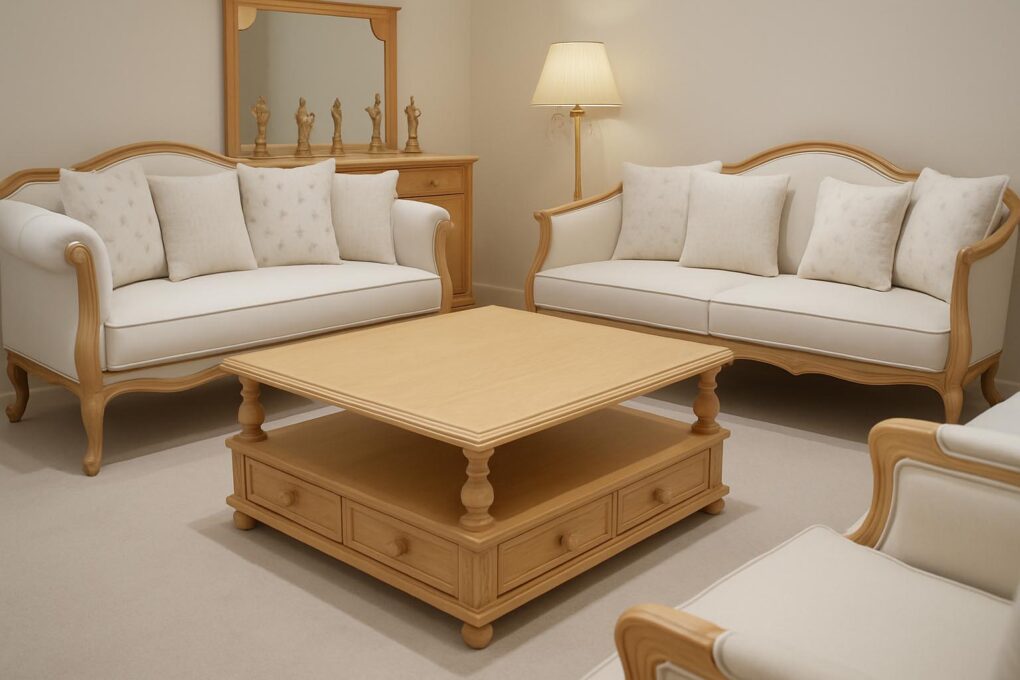
Leg Height and Frame Design: Creating a Sense of Space
Leg height and frame design are often overlooked, yet they dramatically affect how a sofa interacts with a space. In French sofas, these elements are central to both function and beauty.
French sofas traditionally feature carved wooden legs that lift the sofa off the ground. This elevation creates visual lightness, making rooms feel more open and breathable. Taller legs are especially effective in small and medium-sized living rooms.
Frame thickness matters. A bulky frame with wide arms can visually consume space, while slim arms and refined frames feel elegant and efficient. French sofa frames are often curved rather than boxy, which softens the overall appearance.
The exposed frame is also a decorative feature. Hand-carved details, cabriole legs, and antique finishes add luxury without increasing physical size. This makes French sofas ideal for clients who want sophistication without heaviness.
In large spaces, thicker frames and lower legs can create a grounded, palace-like feeling. In contrast, apartments benefit from higher legs and lighter frames.
Another advantage of raised sofas is practicality. Cleaning becomes easier, and airflow improves, contributing to a healthier living environment.
Choosing the right leg height is not just aesthetic—it directly influences how spacious and comfortable your living room feels.
Fabric and Color Selection Based on Room Size
Fabric and color can transform a French sofa from overwhelming to perfectly balanced. In room design, visual weight is just as important as physical size.
For small rooms, lighter fabrics such as linen, cotton blends, or velvet in soft tones work best. Colors like ivory, light gray, blush, or pastel blue reflect light and create openness. Avoid heavy textures that absorb light.
In larger rooms, richer fabrics such as velvet, jacquard, or brocade enhance luxury. Darker shades like navy, emerald, burgundy, or charcoal can be used confidently without shrinking the space.
Pattern scale matters. Small rooms benefit from subtle textures rather than bold prints. Large spaces can handle floral or classic French patterns without visual clutter.
Fabric durability is also important. French sofas are not just decorative; they are functional seating. Choosing high-quality upholstery ensures longevity and comfort.
Color coordination with walls, rugs, and curtains creates cohesion. A French sofa should complement the room, not compete with it.
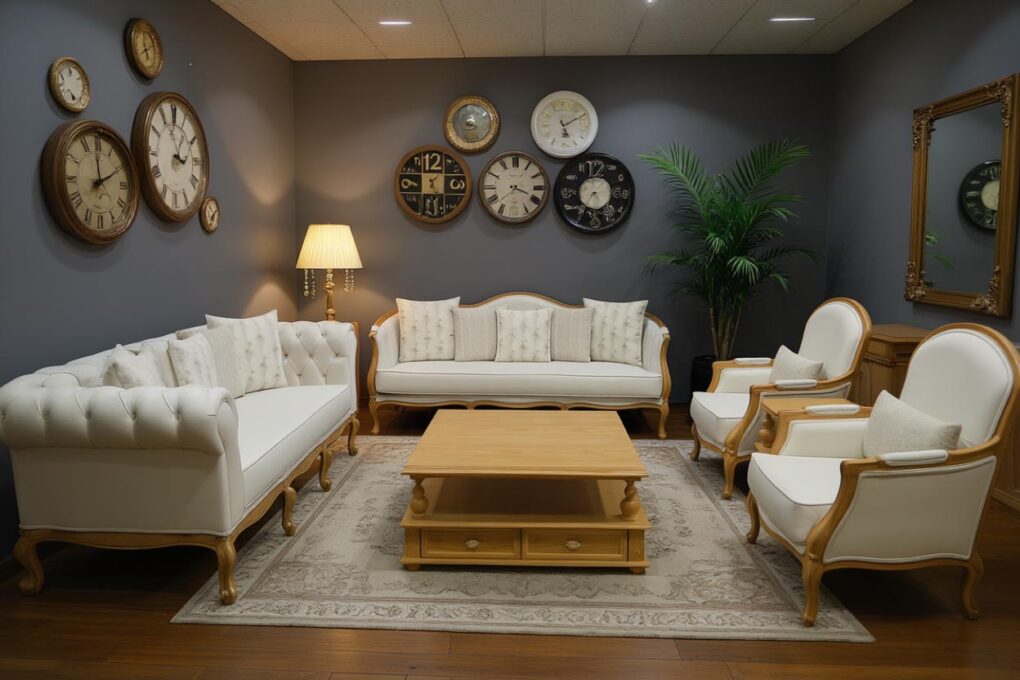
Number of Seats: Single, Three-Seater, or Full French Sofa Set
Choosing the correct seating configuration is essential when selecting a French sofa. The number of seats should align with room size, lifestyle, and usage.
Single French armchairs are perfect for accent seating, reading corners, or small living rooms. They add elegance without consuming space.
Three-seater French sofas are the most versatile option. They work well in both small and large rooms when sized correctly and serve as the main seating piece.
Full French sofa sets (3+2+1) are ideal for large living rooms and formal spaces. They create symmetry and luxury but require sufficient space to avoid crowding.
For apartments, combining a three-seater sofa with one armchair often provides the best balance. Large villas or reception rooms can accommodate full sets comfortably.
Always consider traffic flow and daily usage before deciding on seat count.
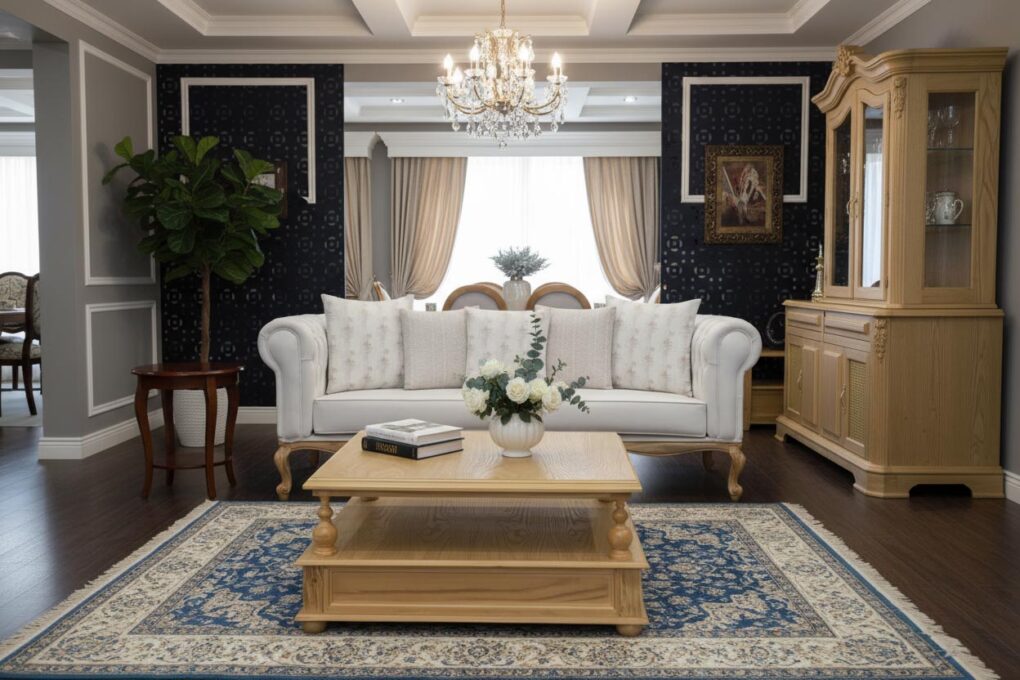
Balancing Ornamentation and Simplicity in Different Room Sizes
French sofas are known for ornamentation, but balance is key. Too much detail in a small room can overwhelm the space, while too little in a large room can feel underwhelming.
Small rooms benefit from simplified carvings, cleaner lines, and lighter finishes. Large rooms can embrace intricate woodwork and bold details.
The goal is harmony between sofa design and room scale. Ornamentation should enhance, not dominate.
A well-balanced French sofa feels timeless, elegant, and intentional.
Matching French Sofas with Lighting, Rugs, and Décor Elements
A French sofa reaches its full potential only when paired with the right décor elements. Lighting highlights carvings and fabrics, while rugs anchor the sofa visually.
Chandeliers and warm lighting enhance classic appeal. Rugs should be proportional to the sofa size—too small and the room feels disconnected.
Decor elements like mirrors, side tables, and cushions should complement the sofa’s style without cluttering the space.
When everything works together, the French sofa becomes the heart of the living room.
Conclusion: Choosing the Perfect French Sofa for Any Living Space
Selecting the right French sofa is not just about choosing a beautiful piece of furniture; it is about achieving balance between elegance, comfort, and spatial harmony. Whether you are furnishing a compact apartment or a large luxury living room, understanding proportions, layout, fabric, and design details allows you to make a confident and long-lasting choice.
In smaller living rooms, the right French sofa can enhance openness rather than limit it. Slim frames, raised wooden legs, lighter fabrics, and carefully chosen seat numbers help maintain visual clarity while preserving the classic charm that defines a French style sofa. Thoughtful placement and coordinated décor further ensure the space feels refined rather than crowded.
For larger living spaces, French sofas truly shine. Generous layouts, full sofa sets, rich fabrics, and detailed ornamentation create a sense of grandeur and sophistication. When paired with proper lighting, rugs, and complementary furniture, a luxury French sofa becomes the focal point of the room, expressing timeless design and craftsmanship.
Ultimately, the perfect sofa is one that aligns with your room size, lifestyle, and aesthetic preferences. A well-chosen French sofa offers more than seating—it delivers character, comfort, and enduring value. By carefully considering dimensions, seating configuration, fabric choices, and decorative balance, you can create a living space that feels both functional and visually exceptional.
Investing in the right French sofa means investing in quality, style, and a living room that remains elegant and inviting for years to come.